Glasses steaming up on a cold morning, contact lenses drying out by lunchtime, the constant faff of cases and solution — if this sounds familiar, you've probably wondered whether laser for eye surgery
could be the answer. It's one of the most researched elective procedures in the UK, and for good reason: it's quick, well established, and can genuinely change how you go about your day.

What Does Laser for Eye Surgery Actually Involve?
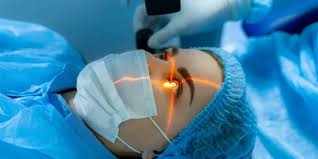
At its core, the treatment reshapes the cornea — the clear front surface of your eye — so that light focuses correctly onto the retina. This corrects short sight, long sight and astigmatism without the need for glasses or contacts.
Modern clinics rely on laser in eye treatment technology that maps the unique contours of your eye before any correction begins. This bespoke approach means the laser adjusts precisely to your prescription rather than applying a one-size-fits-all correction, which tends to produce sharper, more predictable results.
The procedure itself is typically finished within 15–20 minutes for both eyes, with the laser doing its work in a matter of seconds per eye. Most people are back home the same day and describe minimal discomfort.
Who Is a Good Candidate?
Not everyone is automatically suitable, which is why a proper consultation matters so much. Clinics generally look at:
Age and prescription stability — your prescription should have remained roughly the same for at least a year
Corneal thickness — enough tissue needs to be available to reshape safely
General eye health — conditions like dry eye or thin corneas may need addressing first
Overall health — some conditions can affect healing and recovery
A thorough assessment, ideally free of charge, should map your cornea, measure your prescription accurately, and flag anything that might affect your suitability before you commit to anything.
Why People Choose Laser Eye Treatment
The appeal isn't just convenience, although waking up and being able to see clearly without reaching for glasses is a genuine lifestyle shift. Many people are drawn to:
Long-term savings on glasses, contact lenses and solutions
Freedom for sport, swimming and travel without worrying about lenses
Improved night vision with advanced, individually mapped technology
A quick recovery, with most patients resuming normal activities within a day or two
What to Check Before You Book
Because this is a medical procedure, not just a cosmetic choice, it's worth doing your homework. A few questions worth asking any clinic:
Is the technology used bespoke to your eyes, or a standard treatment applied to everyone?
Does the quoted price include your consultation, aftercare and follow-up scans?
What happens if you need an enhancement treatment later on?
Who will actually be treating you — an experienced consultant or a rotating team?
A reputable clinic will answer these clearly and won't pressure you into booking on the spot. If you're comparing options, Harley Vision's laser eye surgery guide is a useful starting point for understanding what a proper treatment pathway should look like, from initial screening through to aftercare.
Is It Right for You?
Laser for eye surgery isn't a decision to rush, but for the right candidate it can be one of the more transformative choices they make for their day-to-day comfort. The best next step is a detailed, unhurried consultation where your eyes are properly assessed and your questions are answered honestly — not a sales pitch dressed up as advice.
If you're considering laser in eye treatment, start by booking a consultation with a clinic that's transparent about pricing, technology and aftercare from the very first conversation.





Write a comment ...